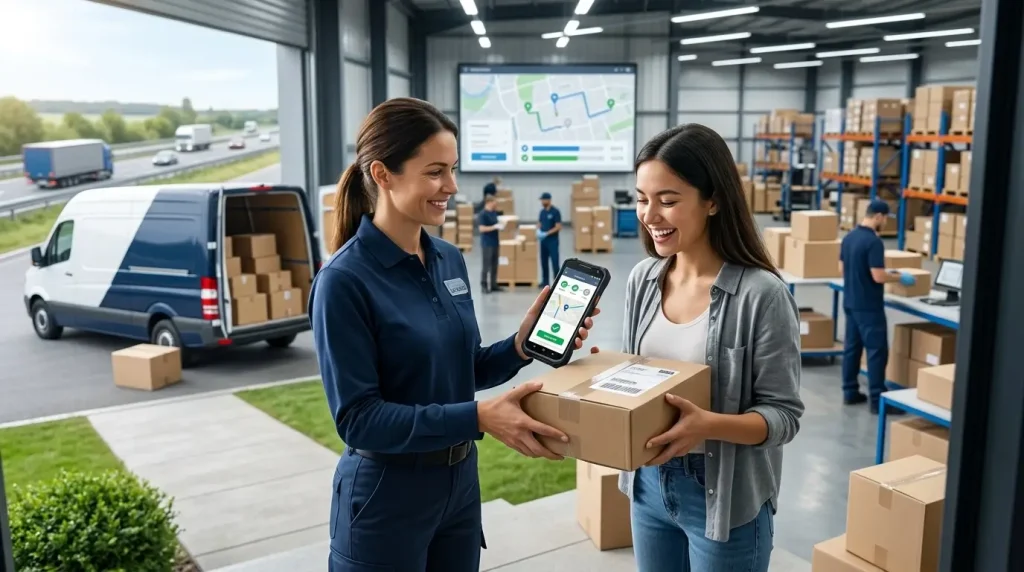


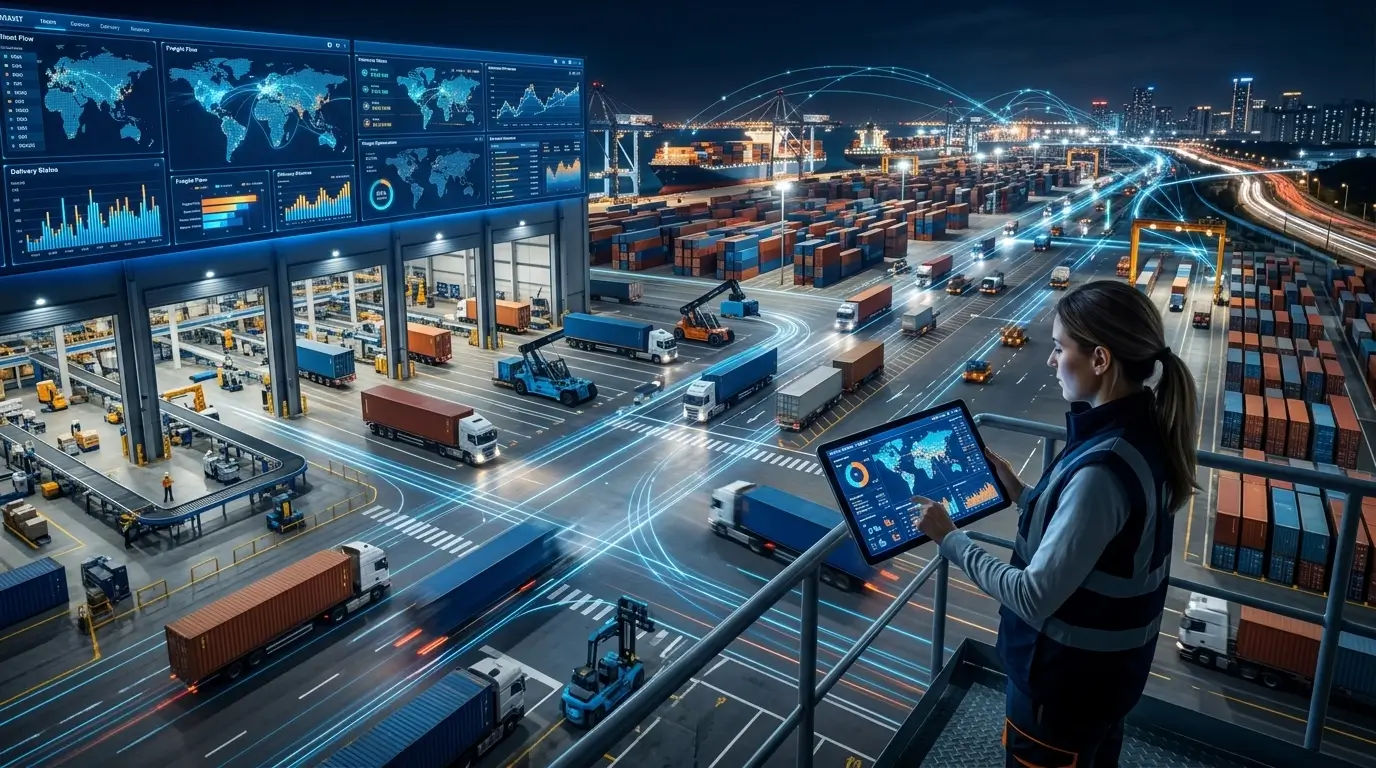
One of the most critical building blocks of digital transformation in the logistics sector is big data technologies. Today, logistics operations are not just about physical processes; the ability to collect, analyze, and transform this data into meaningful decisions has become a key determinant of competitive advantage. Big data-based smart logistics systems are at the heart of this transformation, enabling operations to be managed faster, more accurately, and more predictably.
In smart logistics systems, data is not just an output, but also the driving force of the process. Data generated throughout the entire logistics chain, from order to delivery, is analyzed in real-time, contributing to the optimization of operations. Especially with advanced systems, all components in the logistics network (warehouses, distribution centers, vehicles, and personnel) work within an integrated structure, thereby providing end-to-end visibility.
One of the most significant advantages of big data-supported logistics systems is that they make decision-making processes automatic and intelligent. Thanks to machine learning, data mining, and advanced analytical methods, route optimization, demand forecasting, load planning, and distribution processes are managed more accurately. This both reduces operational costs and enables faster responses to customer expectations.
For these systems to operate successfully, a robust data infrastructure and the correct technology architecture are critically important. The accurate collection, processing, and analysis of data directly impact the system’s reliability and performance. Furthermore, the combined use of real-time data processing and historical analyses enables logistics processes to be managed at both an instantaneous and strategic level.
In conclusion, big data-supported smart logistics systems not only accelerate logistics operations but also make them smarter, more flexible, and more sustainable. This approach optimizes companies’ costs while improving service quality and strengthening the customer experience. In the logistics world of the future, data-driven systems will become an indispensable standard for businesses.