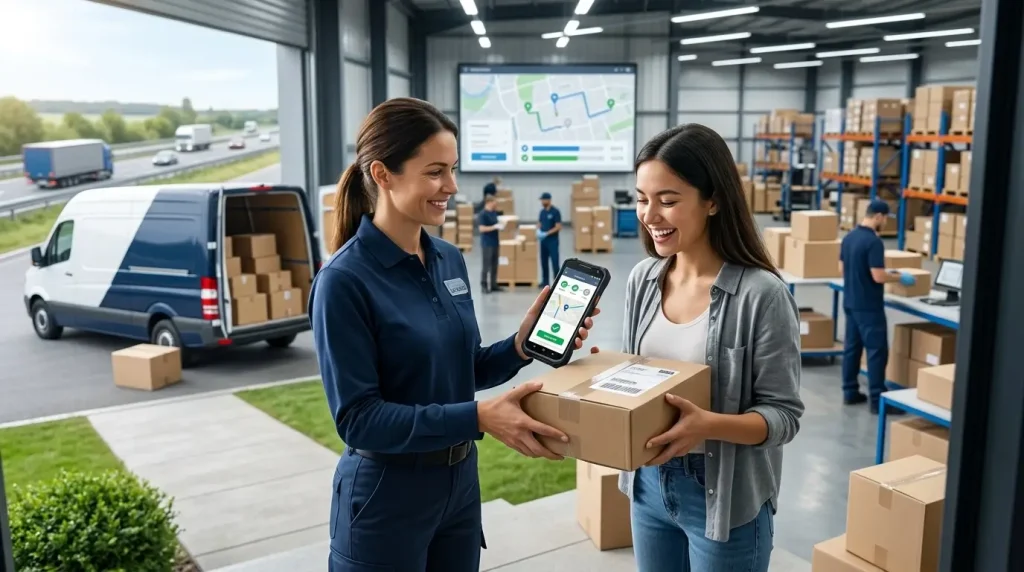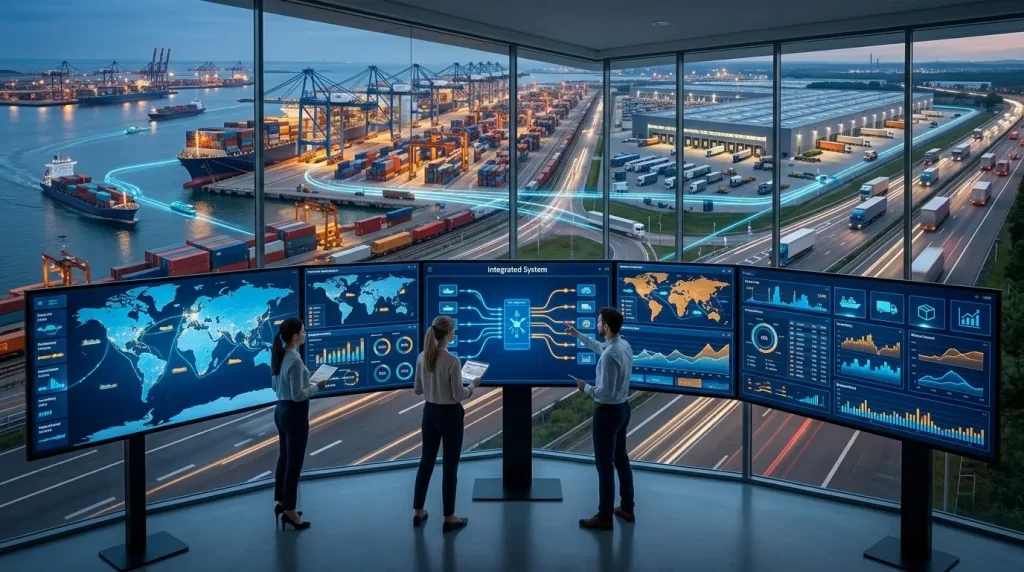


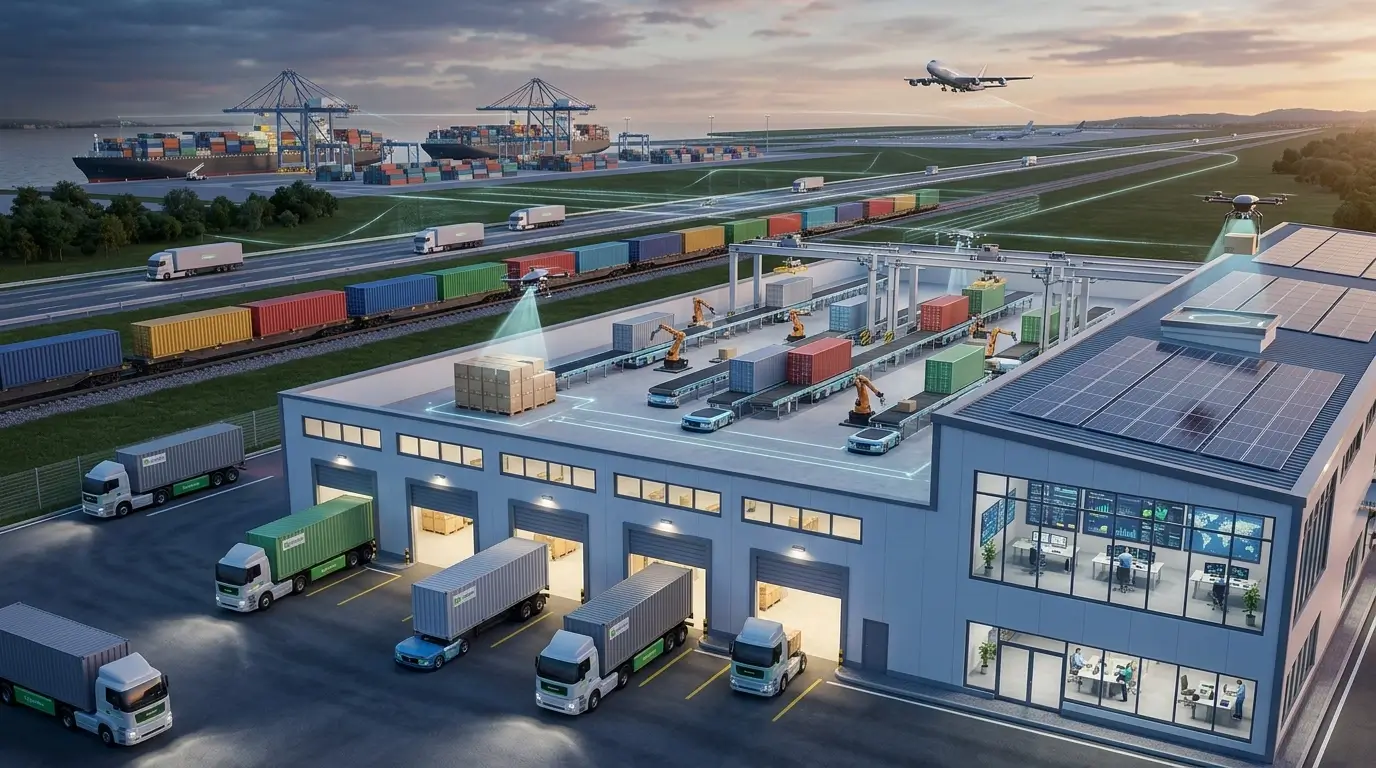
The logistics sector has undergone a radical transformation in recent years due to the impact of technology. While the traditional understanding of logistics was based on manual processes, limited data usage, and an operationally focused management approach, today it is being replaced by digital logistics, smart logistics systems and data-driven management models. This transformation not only speeds up operations; it also optimizes costs, reduces errors, and significantly increases customer satisfaction.
What is Digital Logistics?
Digital logistics refers to the end-to-end management of logistics processes by integrating them with technology, data, and software systems. In this context, order management, warehouse operations, shipment planning, vehicle tracking, and delivery processes are brought together within a single digital structure.
Thanks to this system, businesses can:
- Track their operations in real-time
- Instantly detect disruptions in processes
- Make faster and more accurate decisions
Especially transportation management systems (TMS), warehouse management systems (WMS) and vehicle tracking technologies are among the core components of digital transformation.
Why are Smart Logistics Systems Important?
Today, competition in logistics is shaped not only by speed but also by efficiency, flexibility, and predictability. Smart logistics systems offer structures that can develop these three areas simultaneously.
For example:
- Demand forecasts can be made by analyzing past data
- Areas where congestion will occur can be identified in advance
- Alternative route plans can be automatically generated
This both reduces the operational burden and ensures more efficient use of resources.
Data-Driven Logistics Management
One of the strongest aspects of digital logistics is its reliance on big data. Data generated in logistics processes, when analyzed correctly, provides businesses with a significant competitive advantage.
Thanks to this data:
- Delivery times are analyzed
- Vehicle performances are measured
- Customer behaviors are examined
As a result, businesses can not only manage the current situation but also make strategic plans for the future.
Operational Efficiency and Cost Advantage
Digital logistics systems provide a significant increase in operational efficiency. By reducing manual processes, minimizing errors, and automating processes, businesses can achieve higher performance with lower costs.
Especially issues such as:
- Optimizing fuel costs
- Reducing empty mileage
- Planning in-warehouse movements
can be managed much more effectively thanks to digital systems.
Customer Experience and Transparency
Today, customers demand not only fast delivery but also a transparent process. Information such as where the order is and when it will be delivered has now become a standard expectation.
Thanks to digital logistics systems:
- Customers can receive instant notifications
- Delivery processes are made transparent
- Possible delays are detected in advance and measures are taken
This increases customer satisfaction and brand reliability.
Scalability and Growth Advantage
Traditional logistics systems become inadequate when a certain capacity is exceeded. However, businesses with digital infrastructure adapt much more easily to increased business volume.
In this way:
- New customers are easily integrated into the system
- Control is not lost even if the operation volume increases
- The growth process is managed more healthily
Digital logistics transformation has become a necessity, not a choice. In this increasingly competitive sector, it is very difficult for businesses that do not invest in technology to achieve sustainable success.
Data-driven and integrated structures, supported by smart logistics systems, provide businesses with not only operational but also strategic power.
For companies that want to take their place in the logistics world of the future, the most important step is not to digitize processes, but to make these processes smart.